
Video
To keep a stormwater program from drowning in its data, it’s essential to manage information so it’s easily accessible and can help drive critical decisions. The Town of Apex, NC, is using data management tools to automate and streamline its stormwater information in a way that has improved operations and, more importantly, helped with municipal separate storm sewer system (MS4) compliance. Apex worked with Freese and Nichols to develop a Survey123 and ESRI Field Maps mobile app that serves an array of functions: tracking, logging, adding and storing data; collecting photographs; spatially locating assets; performing real-time assessments; and using custom scripts to automate triggers that generate stormwater control measure (SCM) inspection reports. The system can automate 30-day reminder email notifications to property owners informing them of their upcoming annual SCM inspection. These tools and a custom dashboard allowed for daily quality and progress checks. As a result, the Town of Apex organized its stormwater data to meet MS4 compliance.
Read MoreEach year, CPWA develops public policy priorities to inform its work advocating for public works to federal government departments and officials. This session will provide a brief overview of past activities and the current priorities of the federal government as well as an opportunity for facilitated discussion and knowledge exchange. CPWA Board members will facilitate small group discussions among attendees focusing on CPWA’s existing policy priority areas as well as possible new areas of focus. Attendees will be encouraged to share their experiences, including the challenges they face, so that CPWA can more effectively advocate for recognition and solutions.
Read MoreHonored with the first distinction of historical designation in the City of Phoenix, Arizona, the downtown Roosevelt Neighborhood has architectural milestones still visible today. As one of the first “streetcar…
Read MoreThis session will inform participants regarding options and opportunities available to initiate a liquids operation into their current winter maintenance plan. Starting from the ground up is somewhat difficult without some tips and understanding of where one might go or end up when looking at implementing liquids into an operation. Class subject matter will consist of brine production, application equipment, calibration, record keeping, and outside information or sources utilized to assist in implementing a liquids program. Further information will be provided on the growth of the City of Waconia’s agency liquids operation to blending and on-demand liquid production and blending.
Read MoreThroughout our careers most of us change positions and roles numerous times. Adapting to new challenges, responsibilities, and authority are keys to successfully navigating one’s career. Progressing from technical positions into leadership roles can be the most challenging change of all. As Rick Rigsby states, leadership is about combining technical knowledge and wisdom to grow your impact. During our careers, we must learn from those who came before us and then be prepared to pass on our wisdom to the next generation. This presentation will focus on two long-time public works professionals who have greatly impacted one another’s careers. Learn how a now retired Baby Boomer and a Generation X Leader supported, collaborated, mentored and then reverse-mentored each other to help grow their influence in the public works field.
Read MoreOver 70% of U.S. roads and 70% of the population are in regions with five inches or more of annual snow. Most of those roads are the responsibility of local jurisdictions. Though lane-miles and vehicle-miles traveled continue to increase each year, agencies do not gain a proportionate increase in budgets to offset operations costs. Faced with high public expectations, environmental regulations, and insufficient funding, agencies must find ways to improve efficiency and maintain effectiveness. Advances in weather forecasting, pavement condition reporting, route optimization, materials, application methods, equipment, training, and tracking provide many ways to improve operations. Due to changes in travel patterns, road classifications, population, etc., levels of service for certain routes may no longer be justified. This presentation examines how agencies can improve winter operations using new technologies, materials, vehicles, innovative strategies and tactics, and other techniques.
Read MoreHave you ever consciously thought about how relationships affect your projects? A relationship-based culture can bring about the best collective action of a team to meet project goals. The Mile High Flood District in Denver, Colorado, developed the Project Partners Delivery Model as an alternative project delivery option to the traditional design-bid-build process. It engages owners, consultants, and contractors at the onset of a project to work collaboratively, fully using everyone’s expertise to deliver goal-based projects. The audience will hear from an owner, a consultant, and a contractor about their ten years of experience with this process. They’ll share how they bring the best value to the community through this Project Partner process. The audience will learn what they can do to incorporate some of these practices into their existing delivery options.
Read MoreSustainable, resilient, green design is not new to the public works community. But incorporating green design into the public and private sectors simultaneously has been rare. In the Research Triangle of North Carolina, the Town of Pittsboro and Chatham Park saw an opportunity to develop a 7,500-acre community in a new manner—setting the bar for sustainable, marketable, and responsible planning and construction encompassing both the private and public sector. This presentation will go into the Chatham Park green design process. It will include case studies showcasing how green design strategies are woven into the roadway, utilities, offices, commercial spaces, and even the residential garages within Chatham Park. Although the community is still in the early stages of development, the strategies have been attractive to prospective companies and homebuyers, as well as being sound investments by the Town and developer alike.
Read More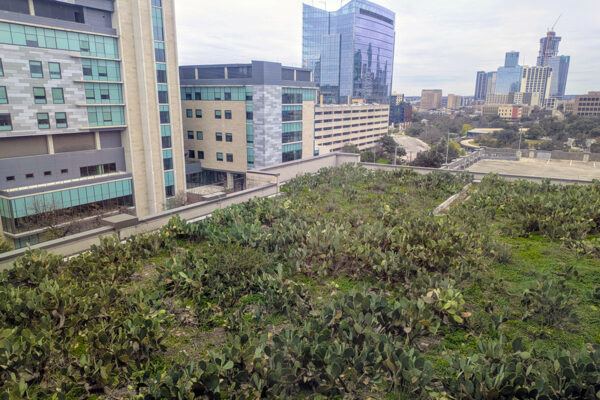
While the benefits of green infrastructure are becoming more widely accepted, communities often encounter challenges—like public support funding and concerns about maintenance and community impacts—that limit widespread implementation. However, Milton has been implementing green infrastructure for years and now considers this part of their public works program. Their efforts not only set out to restore water quality in the Unquity watershed, which currently receives high levels of bacteria, nutrients, and total suspended soils (TSS) inputs from stormwater runoff, but also provides co-benefits such as restoration of urban tree canopy, public recreation and education, climate resilience, and enhancement of their community’s character.
Read MoreJoin the Utilities and Public Rights-of-Way (UPROW) Committee to discuss the latest industry practices, benefits, and challenges for managing public rights-of-way and utilities. The UPROW committee serves APWA members by identifying new resources, state-of-the-art technology, and innovative approaches in the ongoing formulation of public policy and local and state ordinances to manage public rights-of-way and utilities. At this session, attendees will be sharing and discussing the latest industry practices, benefits, and challenges related to utilities and public rights-of-way, including managing right-of-way and land rights; locating and mapping abandoned utilities; shared spaces/undergrounding utilities; 5G/small cell practices; new technologies in locating and installing utilities; and resiliency and sustainability planning for utilities.
Read More